The Masai Mara National Reserve is open all year, but experienced guides and returning visitors consistently point to one truth: timing changes everything.
The Great Migration (July – October)
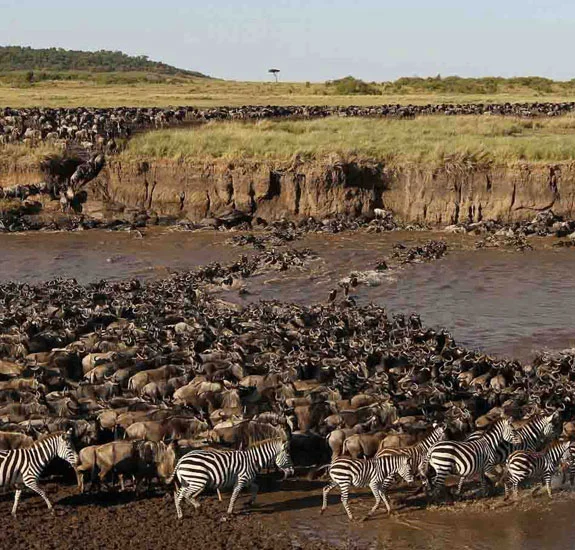
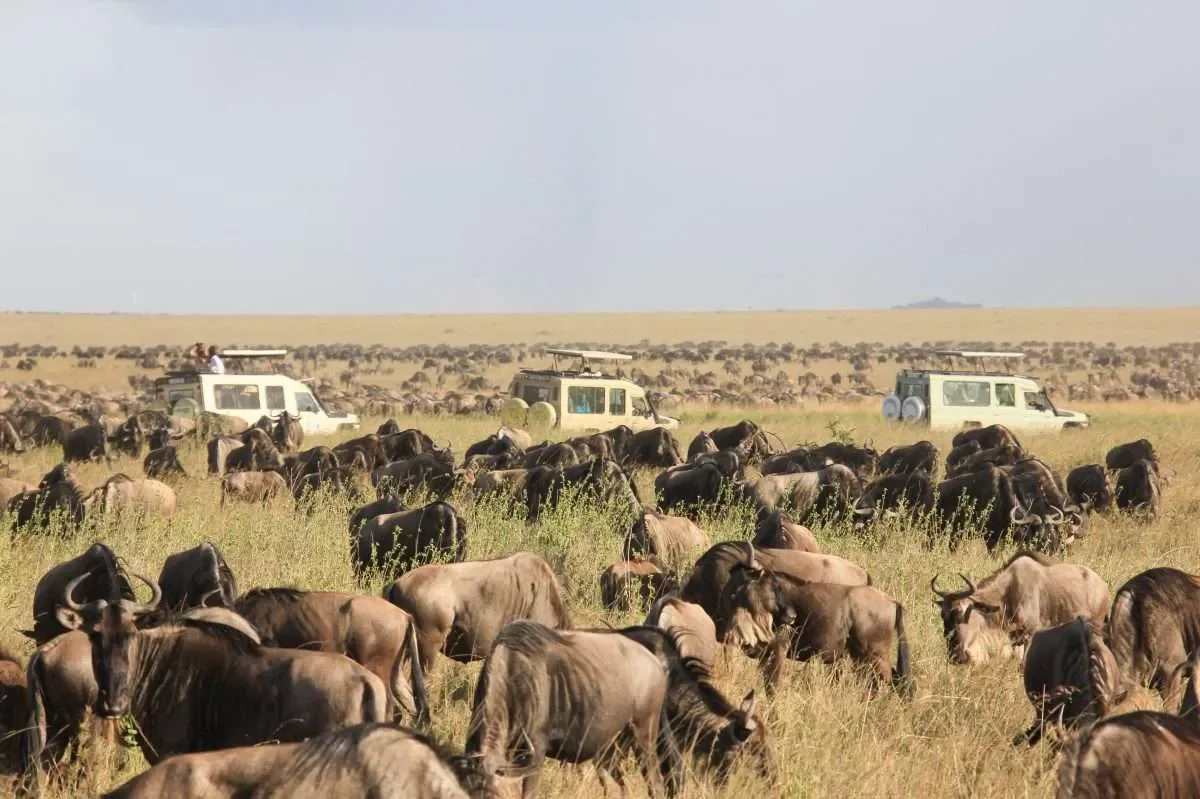
This is what most visitors come for. Between July and October, over 1.5 million wildebeest, 200,000 zebra and 18,000 eland cross the Mara River from Tanzania's Serengeti in one of nature's most dramatic spectacles. The river crossings — where the animals brave churning waters and waiting crocodiles — are the highlight of any Kenya safari.
- July–August: The herds arrive. River crossings begin in earnest.
- September: Peak crossing season. Best photography opportunities.
- October: The migration heads back south. Still excellent game viewing.
Green Season (November – June)
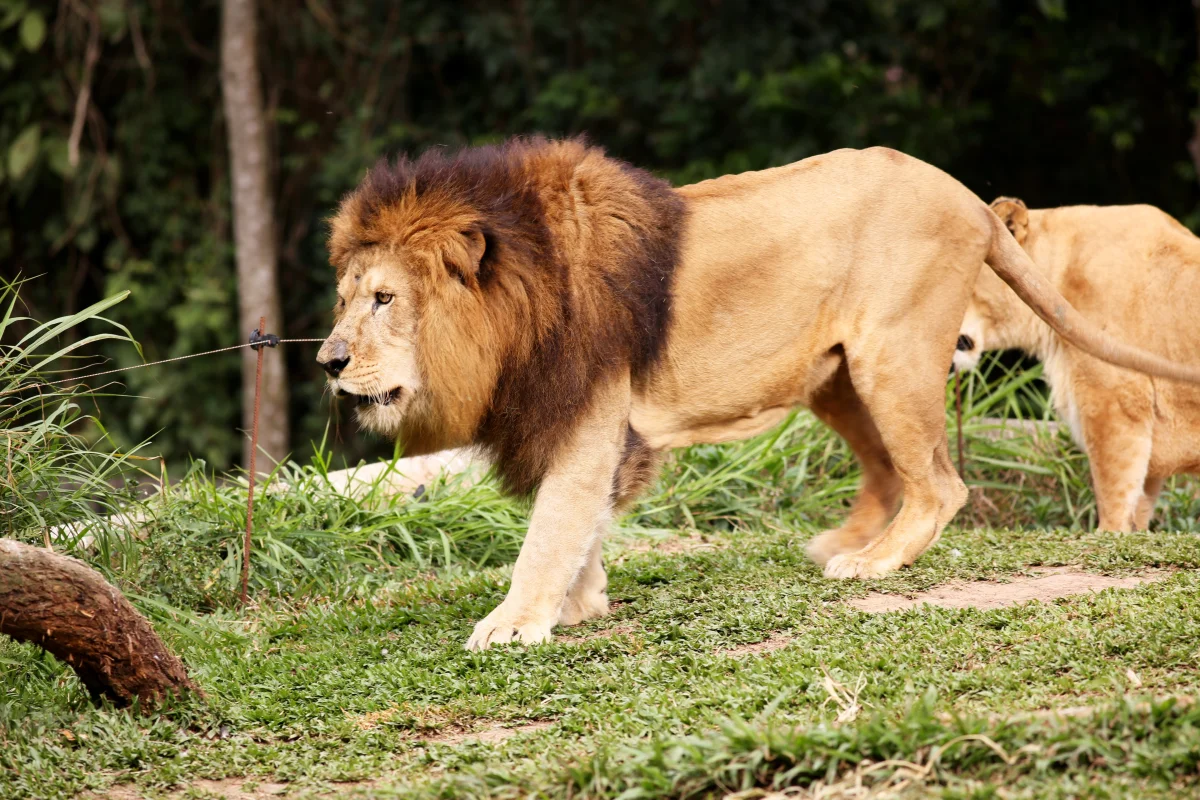
The so-called "low season" is actually a hidden gem for savvy travellers. The Mara is far less crowded, rates are lower, and the landscape transforms into lush green after the rains. Predator activity is high as big cats give birth and raise young cubs.
- January–March: Calving season in the Serengeti. Dry and sunny.
- April–May: Long rains. Some camps close, roads can be challenging.
- June: Herds begin moving north. Excellent leopard sightings.
Our Recommendation
If witnessing the Great Migration river crossings is your dream, book for late August or September. If you want big cat sightings with fewer vehicles and better value, February or June are outstanding. The Masai Mara will never disappoint — it's simply a matter of what kind of extraordinary you're after.